
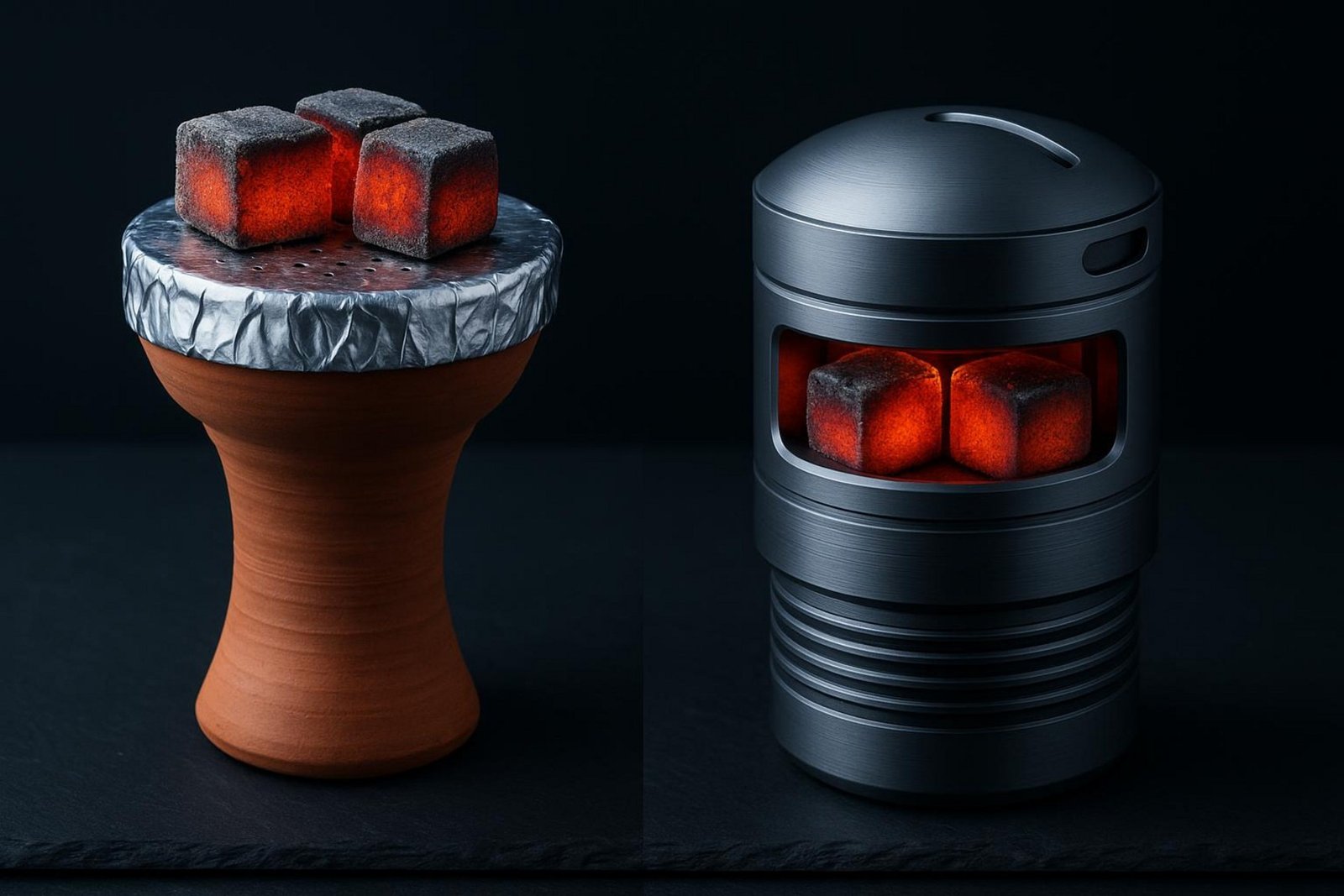
The main difference between traditional foil and a Heat Management Device (HMD) is the way each one moves, holds, and controls heat above the shisha tobacco. Foil works as a thin, direct heat layer that needs regular attention, coal rotation, and manual changes. An HMD works as a covered metal heat holder that stores warmth, keeps charcoal ash out of the bowl, and manages airflow through adjustable vents. Your choice affects the way you prepare the bowl, the steadiness of the session, the clarity of the flavor, and how long the smoke lasts.
For modern smokers interested in hookah heat management, this choice often separates a hands-on traditional method from more consistent equipment. Many traditional smokers value the direct feedback and quick temperature response of stretched foil.
At the same time, aluminum and steel devices are now widely used in shisha setups. Learning how both methods deliver heat helps you choose the right one for your tobacco, bowl pack, and smoking style.
What Is the Difference Between Traditional Foil and a Heat Management Device?
At its simplest, the difference comes down to heat storage and airflow. Traditional foil creates an open heat system. Glowing charcoal sits above a very thin metal sheet, and heat passes quickly through it to the tobacco below. Aluminum foil holds almost no heat of its own, so even a small coal movement can change the temperature under that spot. This gives quick control, but it can also create sudden temperature changes.
A Heat Management Device places a thick metal layer-usually cast or CNC-machined aluminum or stainless steel-between the charcoal and the shisha. Instead of letting raw charcoal heat one small area directly, the HMD takes in heat, spreads it across its base, and warms the tobacco through a mix of gentle radiation and moving hot air. This basic design changes how heat reaches the bowl.
What Is Traditional Hookah Foil?
Traditional hookah foil is a disposable aluminum sheet, usually made in heavy-duty thicknesses between 25 and 40 microns. Unlike thin kitchen foil, shisha foil is made to handle the radiant heat of charcoal above 400°C without tearing or breaking down too quickly. It is stretched over a clay, ceramic, or silicone bowl until the surface is tight like a drum.
After the foil is secured, the smoker makes holes with a poker, toothpick, or special foil punch. The perforated sheet keeps the burning charcoal above the bowl while letting hot air move down into the tobacco during each draw. Since the foil is thrown away after one session, it is flexible, inexpensive, and compatible with almost any bowl. It has supported hookah smoking traditions for many decades.
What Is a Heat Management Device?
A Heat Management Device is a reusable metal holder made to contain lit charcoal and rest safely on top of a hookah bowl. HMDs became widely known in the early 2010s through products such as the Kaloud Lotus. They removed the need to cut, stretch, and pierce foil for every bowl. Current models are made from high-grade aluminum or strong stainless steel and can last for many years.
Unlike flat foil, an HMD may have separate coal spaces, air channels underneath, raised ridges or nubs, and a lid with vents. The raised parts keep the coals from sitting in their own ash and losing airflow. By turning the lid, the smoker changes how much oxygen reaches the charcoal and controls the hot air inside the device. The HMD is an active heat-control tool, rather than just a cover between the coals and tobacco.
How Each Method Transfers Heat to Shisha
With foil, heat mainly passes through the very thin sheet while the charcoal also sends direct radiant heat downward. During a draw, air moves around the glowing coals, becomes very hot, and travels through the holes in the foil. Since the foil stores almost no heat, the tobacco bed can have sharp temperature differences. The area under each coal becomes very hot, while spots only a few millimeters away can stay much cooler.
An HMD adds a metal heat mass that often weighs between 100 and 200 grams. Heat from the charcoal moves into the metal base and spreads across it. Aluminum conducts heat well, so the warmth reaches a wider area instead of staying under one coal. Many HMD bases also have raised studs, rings, or pyramid shapes that send heat down toward the tobacco. This warms the shisha through spread-out radiation and hot air instead of direct contact with one very hot point.
Traditional Foil vs Heat Management Devices: Key Differences at a Glance
Comparing both methods across the main parts of a hookah session helps explain why smokers choose one or the other. The table and sections below show their differences in heat, setup, cost, and daily use.
| Feature | Traditional Foil | Heat Management Device (HMD) |
| Thermal Profile | Fast, strong heat with local hot spots | Slower, buffered heat spread across the bowl |
| Setup Complexity | Moderate to high (wrapping, tightening, and making holes) | Low (place it on the bowl and add the coals) |
| Average Session Length | 35 to 50 minutes before the flavor drops | 60 to 90+ minutes with steady output |
| Coal Maintenance | Regular turning, ash removal, and repositioning | Little handling; adjust the lid to change heat |
| Flavor Purity | Direct and sharp; ash can affect the taste | Clean, smooth, and steady; ash stays out of the bowl |
| Upfront Cost | Very low ($5-$10 for a roll or pack of pre-cut pieces) | Moderate to high ($30-$80+ to buy one) |
| Reusability | Used once and thrown away | Can last for years with basic care |
1. Heat Control and Temperature Stability
Foil is an open system with very little heat storage. Since almost no metal mass holds the charcoal’s heat, moving a coal just five millimeters can change the temperature of the tobacco below within seconds. This quick response helps a skilled smoker save a bowl that is starting to burn, but it also requires constant attention. A draft from a window or air conditioner can cool one side of the coals and cause sudden changes.
An HMD works more like a heat holder. Its thick aluminum or steel walls take in warmth, store it, and spread it slowly. The bowl takes a little longer to warm at the beginning, often needing three to five minutes of rest before the first draw. After that, the temperature changes more slowly. The bowl stays within a steady heating range and is less affected by room air or small coal changes.
2. Setup Time and Ease of Use
Preparing foil takes time, attention, and some practice. The smoker must tear off the right amount, fold it around the rim without catching it on rough clay, stretch it until tight, and make about fifty to eighty even holes. One tear or loose edge can mean removing the foil and starting again.
An HMD makes the setup much simpler. Once the tobacco is packed in a bowl that fits the device, you place the HMD on the rim. There is no wrapping, stretching, or hole-making. Add fully lit coals to the chamber, put on the lid, and let the metal spread the heat. This can cut preparation time by about half.
3. Session Length and Smoke Consistency
Foil sessions usually last about 35 to 45 minutes before they begin to lose flavor. The coals sit close to the foil and send strong heat into the upper layer of tobacco. When that surface layer becomes dry and loses its flavor oils and moisture, the smoke can turn thin or harsh. Fresh tobacco may still remain lower in the bowl but receive too little heat.
HMDs support slower heating and can stretch a session to 60, 90, or even 120 minutes with the same amount of tobacco. The metal body warms the bowl more gently instead of burning one small area. Glycerin and flavor oils can release through more of the tobacco bed. This helps keep the smoke smooth, balanced, and thick from the first draw to the last.
4. Charcoal Placement and Maintenance
With foil, the smoker needs to monitor the coals throughout the session. Ash builds around the outside of each piece, which blocks heat and reduces the coal’s output. Some ash can also fall through the holes into the tobacco. The smoker must use tongs to lift the coals, tap off the ash, turn them to a clean side, and place them on different parts of the foil to limit hot spots.
An HMD requires much less coal handling. The coals stay inside the metal container, and ash collects below them instead of falling onto the tobacco. Rather than moving each coal, you can turn the lid handle to change the airflow. The coals usually keep their heat longer and need fewer interruptions during the session.
5. Cleanup and Reusability
Foil is easiest to clean up. After the session ends and the coals are out, wait until the bowl is warm rather than hot. Peel off the foil, wrap the used ash and tobacco remains inside it, and place it in the trash. The bowl rim is usually fairly clean and can be rinsed quickly.
An HMD needs more care. The metal container becomes very hot, so it should not be touched or washed right after smoking. Wait about 15 to 30 minutes for it to cool. Molasses and tobacco that touch the underside can bake onto the metal over time. Regular cleaning may include soaking it in hot water and using a firm nylon or brass brush to remove built-up carbon.
6. Cost and Long-Term Value
Foil costs very little at the start. A roll of thick aluminum foil or a box of pre-punched hookah foil circles costs only a few dollars and can cover many sessions. This makes foil a practical choice for casual smokers who use a hookah once or twice a month.
An HMD costs more at first. Reliable basic models may cost around $30, while premium CNC-machined devices can cost $80 or $100. For people who smoke several times each week, the device can repay that cost over time. Longer sessions, better heat retention, lower coal use, and no regular foil purchases can reduce the ongoing expense.
Which Heat Management Method Should You Choose?
Choosing foil or an HMD is less about finding one universal winner and more about matching the method to your routine, tobacco, bowl, and preferred level of involvement.
Each hookah setup behaves a little differently. The tobacco cut, moisture level, and molasses content all affect how it reacts to heat. Many smokers keep both options and choose between them based on the tobacco and the type of session they want.
Choose Foil for Low-Cost, Flexible, and Traditional Sessions
Foil remains the favorite choice for smokers who enjoy the classic shisha routine. If you like building the bowl by hand, testing different hole patterns, and moving the coals yourself, foil gives you a level of physical control that a metal device cannot fully copy.
Foil is also useful for dry, traditional, or unflavored tobaccos such as Zaghloul and tombac. It works well with unusual antique Turkish or Syrian bowls that do not have the standard round rim needed by many HMDs. Foil can cover many shapes without relying on a precise fit.
Choose an HMD for Consistent Heat and Simpler Operation
An HMD suits smokers who want clean flavor, longer sessions, and less work during the bowl. If you want to relax, work at a desk, watch a movie, or talk with friends without checking for falling ash or burnt tobacco, an HMD offers a more hands-off session.
It also works well with wet, modern blonde-leaf brands such as Starbuzz, Fumari, and Social Smoke, especially when they are packed in phunnel bowls like those stocked at Shisha Boutique. The HMD can produce large clouds while gently heating the wet molasses and reducing the chance of burning the surface.
Best Option for Beginners
For a new smoker, a Heat Management Device can make the first sessions much easier. Many beginner problems-harsh smoke, weak clouds, burnt flavor after fifteen minutes, and ash falling into the water-come from loose foil, poor hole patterns, or weak coal control.
An HMD removes many of these possible mistakes. It can handle small packing errors, reduce hot spots, hold the coals securely, and produce smooth, thick smoke with less practice. The starting price is higher, but it can save new smokers from wasting tobacco on bowls that cannot be smoked.
Best Option for Experienced Hookah Users
Many experienced hookah smokers keep both methods and choose based on the tobacco. Dense, heat-resistant dark blends such as Tangiers, Darkside, Musthave, and Blackburn are often used with foil when the smoker wants fast heat response. These blends may be paired with an overpack or a firm semi-dense pack.
Some experienced smokers also use open HMDs such as the Na Grani or Russian Spirit when they want strong heat without preparing foil. For advanced users, the best option depends on the bowl and tobacco: an enclosed HMD may suit a light blonde leaf, while foil may give a dark, high-nicotine blend the direct heat it needs.
Can You Use Foil and an HMD Together?
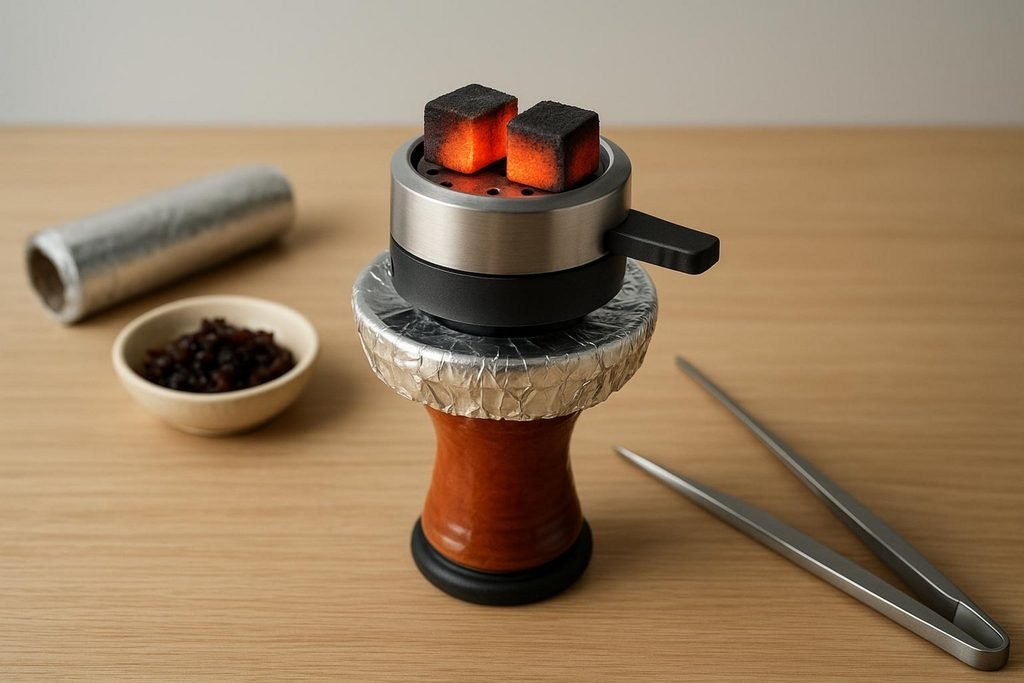
Yes. Using foil with a heat management device is a popular mixed method in the shisha community. The Apple On Top Provost is made for this setup, but some smokers also place regular closed HMDs on top of a foiled bowl to create extra separation between the coals and tobacco.
For this method, pack the bowl, stretch foil over it, and make the usual holes. Then place the HMD directly on the foil. The foil keeps baked molasses off the underside of the HMD, stops ash from entering the bowl, and adds another layer of heat control. This can produce long, smooth sessions with dark leaf while using only a small amount of charcoal.
Common Questions About Traditional Foil and Heat Management Devices
As HMD use has grown, smokers have raised many practical questions about how these devices compare with foil. The answers below cover some of the most common concerns about heat, smoke, cleaning, and safety.
Does an HMD Completely Replace Foil?
For most standard setups, yes. Closed HMDs such as the Kaloud Lotus, Oduman Ignis, and Shishabucks Stratus are made to sit directly on the bare rim of a hookah bowl. Their shaped lower edges fit into common clay or silicone bowl rims, so no foil is needed between the bowl and device.
There are exceptions. Small bowls, very large party bowls, and handmade unglazed clay bowls with uneven rims may not support an HMD evenly. A poor fit can cause air leaks or make the device unstable. Some mixed designs, including the AOT Provost, are made to work with foil, so foil still has a place in many hookah setups.
Does Foil Produce More Smoke Than an HMD?
No. The amount of smoke depends on heat, glycerin vapor, and the way the tobacco is packed, rather than on whether the bowl uses foil or an HMD. A well-managed HMD can produce clouds as thick as a foil setup and may produce more even clouds because it spreads heat over a larger part of the tobacco.
Foil can seem to produce more smoke because it starts faster. Its thin surface lets the tobacco reach smoking temperature soon after the coals are added. An HMD needs a few minutes for its thick metal base to warm up. Once it reaches working temperature, it can match or exceed the smoke from foil.
Can an HMD Burn Shisha More Easily?
Usually, an HMD is less likely to burn shisha than foil because it reduces direct hot spots. Its heavy metal base changes the strong 400°C heat from fresh charcoal into a steadier heating space that often stays around 160°C to 190°C near the tobacco.
Still, an HMD can burn tobacco if it becomes too hot. The metal stores a large amount of heat, so adding too many large coals and closing the lid tightly can cause the whole device to overheat. Once the aluminum is very hot, removing the coals will not cool the bowl at once. The metal can continue sending strong heat down for several minutes, making recovery slower than with foil.
Are Heat Management Devices Safer Than Foil?
For handling charcoal, HMDs are much safer. The coals sit inside a high-sided metal container instead of balancing on a curved sheet of foil. If someone pulls the hose by accident, a high-walled or locking HMD is less likely to let burning coals fall onto a carpet, wooden floor, or piece of furniture. This lowers the chance of a fire caused by falling charcoal.
From a health point of view, an HMD does not make hookah smoking healthy or medically safer. Public health research and exposure studies show that hookah smoke can contain carbon monoxide (CO), polycyclic aromatic hydrocarbons (PAHs), and heavy metals. These pollutants mainly come from burning charcoal and heating tobacco additives. An HMD keeps loose ash out of the stem, but it does not remove carbon monoxide or act as a chemical filter. Good ventilation is still needed indoors with either foil or an HMD.
Heat control in hookah is also moving beyond simple metal covers. New products are beginning to use electronic heating systems and heat heads that can replace burning charcoal. These systems may include temperature sensors and controls that react to each puff. They aim to remove charcoal-related carbon monoxide while keeping the temperature steady. Traditional foil will likely remain popular with smokers who enjoy its hands-on character, while newer devices point to more control, cleaner flavor, and easier heat management.
You may also read